Plant Your Utility Bill: How Orchard-Style Shade Design Turns Landscaping Into a Financial Asset

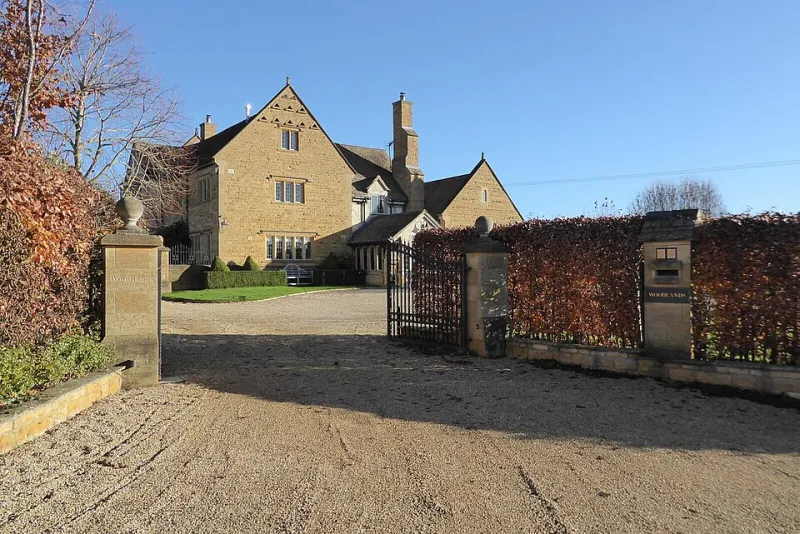
Photo: Tobias Alt, Tobi 87, CC BY-SA 4.0, via Wikimedia Commons
Ask a real estate appraiser in Phoenix or Austin what separates two otherwise identical homes on the same street, and you will rarely hear about the trees. Ask a family in Ben Tre province, in Vietnam's Mekong Delta, the same question, and the answer comes instantly: the house with the canopy is worth more, costs less to run, and lasts longer.
That gap in perspective is what we call the shade tax — the measurable premium that intentional shade design adds to a property, and the penalty that sun-baked lots pay every month on the utility bill.
Shade as Infrastructure, Not Ornament
Ben Tre is the coconut capital of Vietnam. Orchards there are not planted for looks; they are planted to protect. Farmers stagger tall coconut palms, mid-level fruit trees, and low shrubs into deliberate layers that block afternoon sun, funnel breezes, and keep the ground beneath them cooler by tens of degrees.
Home builders in the province borrowed the same logic generations ago. Houses sit behind tree lines, verandas extend under canopy, and shade sails — simple stretched fabric panels — cover courtyards where trees cannot grow. The result is a home that stays livable with minimal mechanical cooling even in a climate hotter and more humid than most of the American South.
The lesson translates directly. In the US, air conditioning accounts for roughly 12% of household energy use, and far more in Sun Belt states. Shading the west-facing walls and roof of a new build can reduce cooling demand by 20 to 30 percent, according to Department of Energy guidance. Over a 30-year mortgage, that is real money — often more than the entire cost of the landscape plan that produced it.
Where the Savings Actually Come From
Shade design pays out in three distinct accounts:
Cooling bills. Solar gain through windows and walls is the dominant cooling load in most American homes. A deciduous tree or engineered sail blocking afternoon sun on west-facing glass cuts that load at its source, before the compressor ever switches on.
Roof lifespan. Asphalt shingles rated for 25 years routinely fail in 12 to 15 on unshaded Sun Belt lots, where roof surface temperatures can exceed 160°F. Canopy shade and lighter under-roof temperatures push that lifespan back toward the rating — deferring a five-figure replacement.
Resale value. Appraisers and buyers increasingly recognize mature landscaping as a capital improvement. Studies from Arbor Day and real estate industry groups suggest mature trees can add 3 to 15 percent to a home's appraised value, with shade placement on the west and south sides delivering the strongest effect.
Add those three streams together and a $5,000–$15,000 landscape investment on a new build frequently outperforms the same money spent on cosmetic upgrades.
The Orchard Model: A Placement Playbook for New Builds
Ben Tre's orchard homes follow a layered structure that American homeowners can adapt, whether they plant palms, oaks, or maples:
The tall canopy layer. In Ben Tre, that is the coconut palm — a 60-to-80-foot umbrella that shades the roof without blocking breezes. In most US regions, the equivalent is a fast-growing shade tree: sycamore, tulip poplar, or hybrid poplar in southern states; oaks and maples where hardiness allows. Place the tallest elements west and southwest of the house, where the low afternoon sun does the most damage.
The mid-level layer. Fruit trees and tall shrubs in Ben Tre; ornamental pears, crape myrtles, or large shrubs in the US. These shield walls and windows — the primary entry points for radiant heat — without crowding foundations. Keep them 8 to 12 feet from the structure to protect siding and allow airflow.
The engineered layer. Where trees cannot go — a courtyard, a driveway, a patio — Ben Tre builders stretch shade sails. American versions in UV-stabilized HDPE fabric cost a few hundred dollars installed DIY and can drop the surface temperature of a patio or west-facing window by 15 to 20 degrees. They deliver shade on day one, while the trees take five to ten years to mature. Think of them as the bridge financing of landscape design.
The ground layer. Mulch, groundcover, and permeable surfaces keep soil temperatures down and reduce heat radiating back up at the house — a small effect per square foot, but one that compounds across a whole lot.
Building New? Design the Lot Before the House
The single biggest mistake American builders make is treating the landscape as a finishing touch — something chosen after the floor plan is locked. Flip that sequence. Before siting the home, map the sun path across your lot, identify the west and southwest exposure, and reserve those zones for canopy. Position driveways, patios, and low-use outdoor space where the sun is welcome; put bedrooms and living areas behind your future shade.
In Ben Tre, this sequencing is second nature. The grove comes first; the house fits inside it. American homeowners building new have the same opportunity — and the same payoff. The coolest lot in the neighborhood is not found. It is planted, layered, and engineered into existence, one canopy at a time.
The shade tax is real. The only question is whether you pay it or collect it.