Where the Money Leaks Out: Hidden Logistics Costs Behind Sustainable Materials — and the Ben Tre Model That Cuts Them
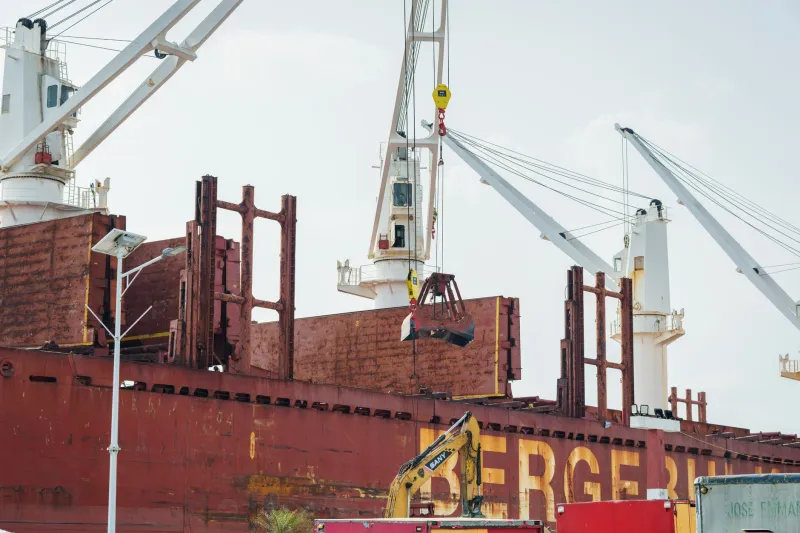
Ask any American developer who has attempted a genuinely sustainable build, and you will hear the same confession: the budget rarely fails at the design stage. It fails at the truck.
The material you specified — coconut husk panel, rice husk board, treated bamboo — was quoted at a reasonable per-unit price. Then the invoice arrived with fuel surcharges, bonded-warehouse fees, broker commissions, and a "handling" line item nobody could fully explain. By the time the pallets reached the jobsite in Austin or Charlotte, the cost per square foot had quietly grown 30 to 60 percent.
This is not a materials problem. It is a logistics-structure problem, and it is precisely the problem that Ben Tre province's grove-to-site supply model was built to solve.
The Anatomy of a Ballooning Budget
Consider a hypothetical order: 4,000 square feet of coconut fiber paneling for a residential project in the American Southeast, sourced from an importer rather than a producer. The unit price looks fine. But the final landed cost carries layers:
- Freight surcharges. Fuel adjustments, container congestion fees, and chassis charges that fluctuate quarterly and are rarely disclosed at quoting time.
- Middlemen markups. Most US buyers purchase through two or three intermediaries — an importer, a regional distributor, and sometimes a specialty green-materials reseller — each adding 15 to 25 percent.
- Double handling. Materials moving through bonded warehouses, transloading facilities, and regional depots accumulate fees at every touch, plus damage risk at every transfer.
- Minimum-order penalties. Distributors impose volume floors that force buyers to over-order, converting savings into jobsite waste.
- Compliance and documentation costs. For agricultural-fiber products, phytosanitary certification, customs brokerage, and testing documentation often land as separate line items.
None of these costs add a single unit of value to the material. They are pure friction — and in the sustainable materials market, where supply chains are longer and thinner than conventional lumber routes, the friction compounds fast.
What Ben Tre Does Differently
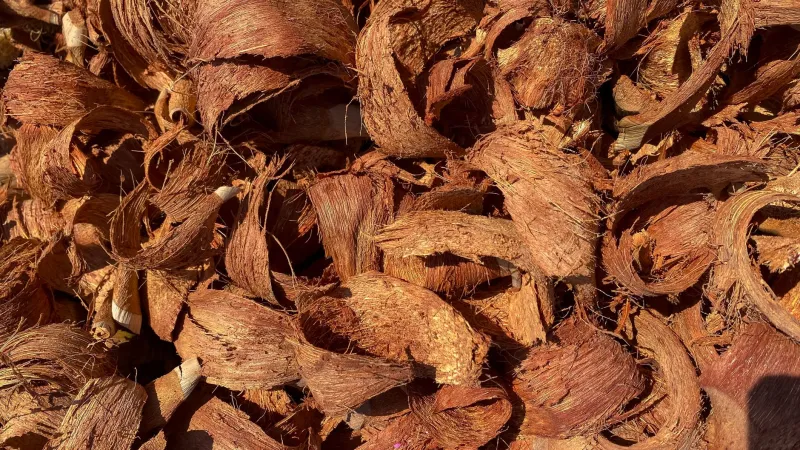
Ben Tre, the Mekong Delta province often called Vietnam's coconut capital, processes one of the densest concentrations of coconut byproduct in the world. Groves, husk-processing cooperatives, fiber mills, and panel factories frequently operate within a few kilometers of one another — and in the case of agricultural cooperatives like those behind HTX Xanh Bến Tre, within the same ownership structure.
The practical consequences for cost are structural, not cosmetic:
- No broker chain. A buyer contracting directly with the producer negotiates one margin, not three.
- Origin consolidation. Panels are packed at the mill, certified once, and loaded into a single container that travels from the Mekong Delta to the destination port without intermediate warehousing.
- Pricing transparency. Because the producer controls the full chain, quotes can be issued on a delivered-landed-cost basis rather than a fragile ex-factory estimate that surcharges later inflate.
- Volume flexibility. Direct-from-origin sourcing allows batch sizes matched to real project needs, trimming the over-ordering penalty.
A side-by-side illustration makes the difference concrete. For that same 4,000-square-foot panel order, a typical multi-tier import route might land at roughly $11–13 per square foot all-in. A direct-origin container arrangement — one producer, one freight contract, one documentation package — commonly lands 20 to 35 percent lower, with the savings concentrated in eliminated markups and handling rather than a cheaper base material. The base price is often comparable; the friction is what disappears.
What American Developers Should Take Away
The Ben Tre model is not a Vietnamese curiosity; it is a sourcing template that any buyer can apply regardless of origin. Three practices translate directly:
Buy from the processor, not the reseller. Ask who actually manufactures the material. If your counterparty cannot name the mill, you are paying for at least one margin you could remove.
Negotiate landed cost, not unit cost. Insist on all-in delivered pricing with surcharges capped or fixed. Producers confident in their logistics will agree; intermediaries relying on surprise fees will not.
Consolidate at origin. Multiple green materials from the same region — coconut panels, rice husk boards, bamboo components — can often share a single container and a single documentation package, collapsing freight and compliance costs simultaneously.
The Broader Lesson
Sustainable construction is frequently criticized as expensive, but much of that expense is an artifact of how green materials move, not what they are made of. A coconut husk panel grown, processed, and exported from Ben Tre carries a fraction of the embedded logistics cost of the same panel routed through a conventional import chain — and, as a byproduct of an existing harvest, a fraction of the embodied carbon too.
For developers willing to source directly from origin, the truck stops being where budgets go to die. It becomes where they are saved.