Which Green Building Certification Actually Pays Off? A Practical Comparison for Builders and Homeowners
Every developer eventually faces the same spreadsheet moment: the sustainability consultant has presented five certification options, each with its own acronym, fee schedule, and promise. Choosing wrong means either paying for prestige the project doesn't need or missing a credential the market expects.
There is no universal answer, but there is a logic to the decision. Here's how the five major systems compare — and how to match one to your project.
The Five Systems at a Glance
LEED (US) — The most recognized label in the American market. Administered by the U.S. Green Building Council, it scores projects across energy, water, materials, and indoor environmental quality. Certification costs and documentation requirements are substantial, but for commercial projects in US cities, LEED status can measurably improve leasing rates and financing terms.
EDGE (IFC/World Bank) — Designed for speed and affordability, EDGE certifies projects that achieve verified savings of at least 20% in energy, water, and embodied energy in materials. It's popular in emerging markets precisely because the process is streamlined and inexpensive.
Green Mark (Singapore) — The standard for Southeast Asia's premium developments. Rigorous on tropical-specific performance — heat gain, humidity management, natural ventilation — which makes it technically well suited to climates like ours even if its recognition is regionally concentrated.
BREEAM (UK) — Europe's longest-running system, thorough and science-driven, with strong weight on lifecycle assessment. Commonly required for international institutional investors, rarely demanded for a single-family home.
LOTUS (Vietnam) — Vietnam's homegrown rating system, developed by the Vietnam Green Building Council. It understands local construction practice, local material supply chains, and local climate realities in a way imported frameworks sometimes don't — and it costs less to pursue.
Matching Certification to Project Type
Large commercial or institutional projects in the US: LEED is often the default because tenants, lenders, and municipalities recognize it. Budget 2–4% of construction cost for soft costs and expect a documentation-heavy process.
Mid-scale residential developments in Southeast Asia: EDGE or LOTUS deliver credible third-party verification at a fraction of the cost. For a developer selling to Vietnamese buyers, LOTUS carries genuine local marketing weight.
Export-oriented or internationally financed projects: BREEAM or Green Mark may be contractually required by investors. Check financing documents before committing to anything else.
Single-family homes and small renovations: Here is where we'll be blunt. Full certification rarely pencils out. The fees, the documentation, and the consultant time can exceed the actual cost of the efficiency measures themselves.
The Case for Certified Practice Without the Certificate
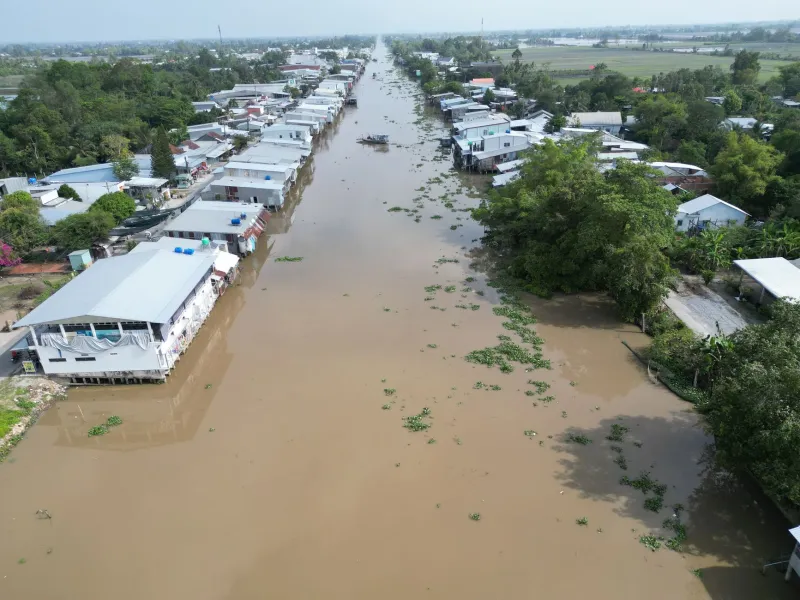
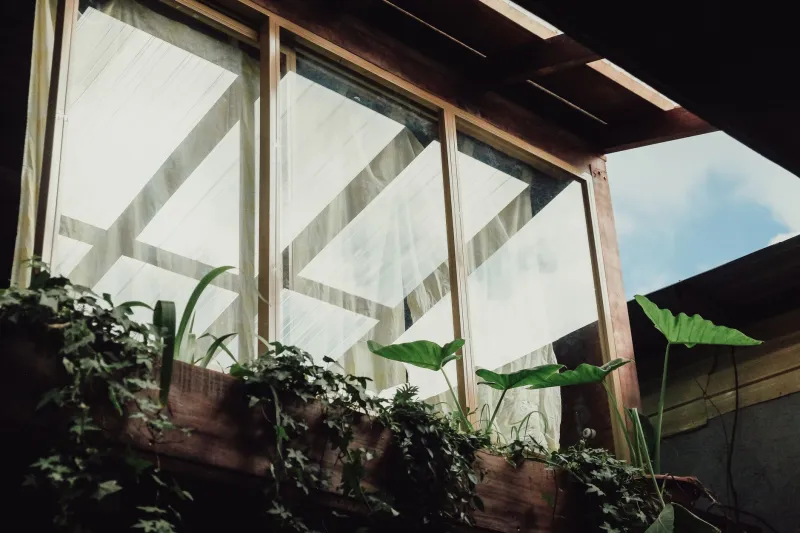
In Ben Tre, the most effective green buildings often follow no rating system at all. They follow the delta. Elevated floor slabs handle flooding. Deep verandas and roof overhangs cut solar gain. Openable walls on multiple sides enable cross-ventilation instead of air conditioning. Local materials — coconut timber, bamboo, fired clay brick — shrink embodied carbon without a single environmental product declaration.
These practices align closely with what LEED and LOTUS reward; they simply skip the paperwork. A homeowner who elevates, shades, ventilates, and insulates correctly may achieve better real-world performance than a certified building designed around a scorecard.
The honest framing is this: certification is a communication and verification tool, not a sustainability strategy. The strategy comes first. If a project's scale or market demands third-party proof, choose the system that matches the audience — LEED for American commercial credibility, EDGE or LOTUS for efficient verification closer to home.
If it doesn't, invest the certification budget in better design instead. The building — and the balance sheet — will show the difference.