Designing for the Delta: Climate-Resilient Construction Strategies for Ben Tre's Flood-Prone Landscape
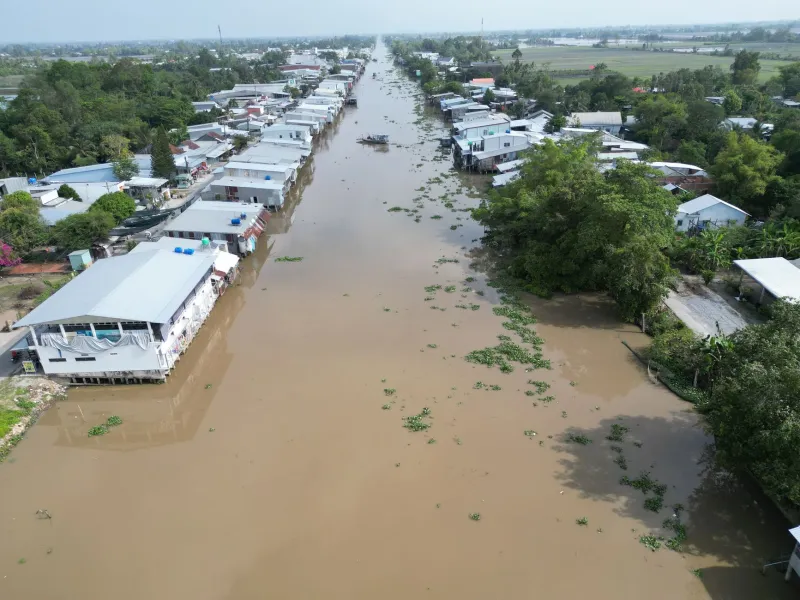
The Mekong Delta is one of the most productive agricultural regions on Earth, and it is also one of the most vulnerable. For Ben Tre Province, where four of nine districts sit in areas regularly affected by saline intrusion and seasonal flooding, the question is no longer whether to build for a changing climate — it is how.
At HTX Xanh Bến Tre, we believe resilient construction and eco-friendly design are the same discipline viewed from two angles. A home that manages water intelligently is a home that lasts. A structure that breathes in humid conditions is a structure that avoids costly mold remediation a decade later. Below, we outline the core strategies we recommend to clients planning long-term investments in the delta.
Start With the Foundation: Elevation Is Not Optional
The single most consequential decision in delta construction is vertical. Elevating the finished floor — typically 1.2 to 1.5 meters above surrounding grade in flood-exposed zones — protects interiors from storm surge and seasonal high water without relying entirely on future drainage infrastructure.
Elevation can be achieved in several ways:
- Reinforced concrete plinths — the most common approach for permanent residences, offering durability with moderate cost
- Piled foundations — necessary in soft alluvial soils, where standard footings may settle unevenly over time
- Hybrid designs — a solid elevated ground level for parking and storage, with living space above
American readers may recognize parallels to elevated construction along the Gulf Coast, where post-Katrina building codes reshaped residential design. The principle is identical: build for the water you know is coming.
Breathable Walls: Letting Buildings Manage Their Own Moisture
In a tropical monsoon climate, sealing a building airtight is a mistake. Humidity trapped inside wall assemblies leads to condensation, mold, and premature material failure. The solution is assemblies that manage moisture transfer deliberately.
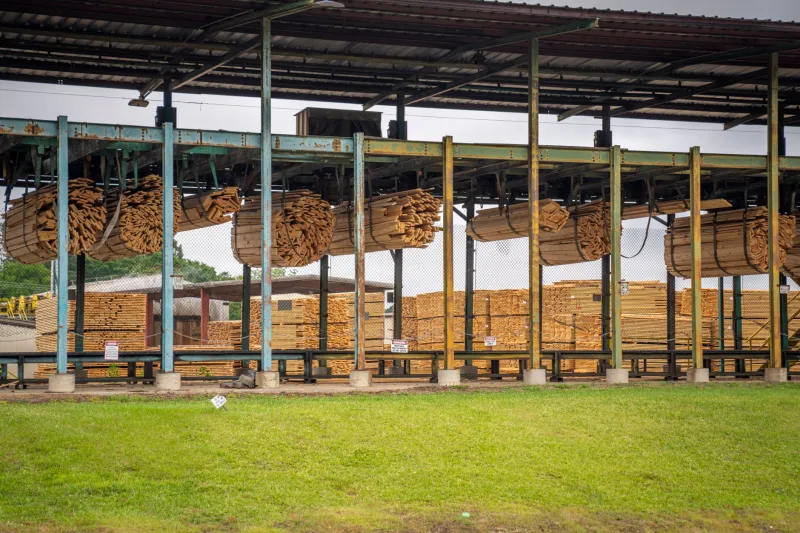
We favor locally appropriate materials — unfired clay block, lime-based renders, and properly detailed coconut timber framing — that absorb and release moisture in cycles. Paired with wide roof overhangs and screened ventilation openings, these systems keep interior humidity within comfortable ranges without heavy mechanical dependence.
For homeowners, the practical takeaway is this: specify materials rated for wet-zone performance, detail every horizontal surface to shed water, and resist the temptation to replicate sealed, climate-controlled construction methods designed for drier climates.
Rainwater as a Resource, Not a Nuisance
Ben Tre receives roughly 1,500 to 2,000 millimeters of rain annually, concentrated in the wet season. Treating that volume as a hazard guarantees drainage problems; treating it as a resource changes the economics of a project.
Practical rainwater management includes:
- Gutter and cistern systems sized for wet-season capture, supplying non-potable household needs
- Permeable paving in courtyards and driveways to reduce runoff load on shared drains
- Bioswales and retention planting along property edges, slowing discharge during peak rainfall
- Green or reflective roofing to reduce heat gain while moderating roof runoff
A modest cistern installation typically pays for itself within several wet seasons in reduced water costs, while permeable surfaces reduce the localized flooding that plagues poorly planned subdivisions.
A Checklist for Long-Term Investors
For developers evaluating land in Ben Tre, we recommend a due-diligence sequence before breaking ground:
- Review historical flood and salinity records for the specific parcel, not just the district
- commission a geotechnical soil assessment — delta soils vary dramatically within short distances
- Budget for elevation and drainage from the outset; retrofitting costs three to five times more
- Prioritize materials sourced within the province to shorten supply chains and reduce embodied carbon
Building Wisely, Building Once
Climate adaptation in construction is frequently framed as an added expense. Our experience suggests the opposite: resilient design, done early, is the economical path. A building raised, ventilated, and water-managed correctly will outlast and outperform a conventionally built structure by decades — with lower maintenance costs throughout its life.
The delta has always demanded a particular kind of intelligence from its builders. Today, that intelligence pairs traditional knowledge with modern materials science. The result is construction that honors Ben Tre's environment while securing the investments made within it.