Before You Sign: A Practical Vetting Guide for Americans Building Green in Ben Tre

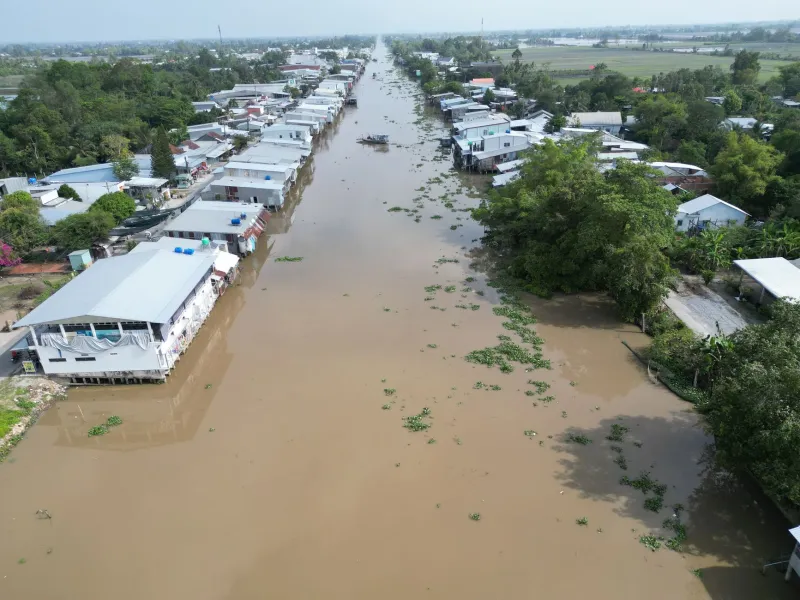
The idea is easy to fall in love with: a riverfront home in Ben Tre province, ceiling fans turning in a breeze off the coconut palms, monthly electric bills a fraction of what you paid in Texas or Oregon. Vietnam's real estate rules now permit foreign buyers to own apartments and houses on land-use terms, and Ben Tre — quieter and cheaper than Ho Chi Minh City, ninety minutes away — has quietly become a destination for exactly this dream.
The harder part is execution. Finding a contractor who genuinely builds green, rather than one who has learned the vocabulary, requires a different kind of due diligence than you would do back home. Here is the checklist we recommend to foreign clients before a contract is ever signed.
Start with the Paperwork, Not the Portfolio
Any legitimate Vietnamese construction firm should produce, without hesitation, a business registration certificate (giấy chứng nhận đăng ký kinh doanh) and construction activity licenses appropriate to the project's scale. Ask for both, verify the license class matches your build size, and be wary of anyone who suggests a friend's company can "handle the paperwork later."
For green claims specifically, request documentation of any certifications the builder claims. Vietnam's green building landscape includes LOTUS, the national rating system administered by the Vietnam Green Building Council, and internationally recognized LEED. A contractor who has actually delivered a LOTUS-certified project can name it, show you photos from inside, and connect you with the design consultant involved. One that cannot is telling you something.
Ask About the Climate, Not Just the Materials
Ben Tre's environmental reality is specific: a humid tropical delta with rising salinity intrusion, seasonal flooding, and increasingly erratic rainy seasons. A genuinely climate-literate builder will talk about these pressures unprompted.
Put these questions to every candidate:
- How does the design handle monsoon-season water? Expect specifics: raised plinths, drainage calculations, flood-resistant ground-floor materials.
- What is the strategy for humidity and mold? Look for answers involving vapor management, ventilation design, and material choices — not just a dehumidifier recommendation.
- How will the roof perform in a two-month rainy season? Overhangs, pitch, and gutter capacity matter more here than shingle brand.
- Which materials are sourced locally? Ben Tre's coconut-based products, treated bamboo, and regional timber can dramatically cut embodied carbon. A builder who ships everything from distant provinces is adding cost and footprint.
A contractor who answers in terms of site-specific conditions is one who has actually built here. One who answers in generic brochure language has not.
Red Flags That Should End the Conversation
Some warning signs are universal; others are particular to foreign buyers in Vietnam.
"Green" used as an adjective only. If every answer reduces to eco-friendly, sustainable, and natural without a single technical detail, you are hearing marketing, not method.
Pressure toward a single lump-sum quote with no itemization. You should be able to see line items for materials, labor, and contingency. This matters doubly for green builds, where premium materials must be specified by name.
Discouragement from involving an independent supervisor. Reputable builders expect third-party oversight. A firm that resists it is removing your only leverage.
No written contract, or a contract only in Vietnamese. Bilingual contracts are standard practice for foreign clients. If a builder will not put scope, materials, schedule, and payment milestones in writing in both languages, walk away.
Cash-only progress payments. Bank transfers create a paper trail that protects you in any dispute.
Questions That Separate Builders from Marketers
Finally, a short list of questions that reliably expose the difference between real expertise and rehearsed answers:
- What is the R-value or U-value of the proposed wall assembly, and how was it calculated for this humidity zone?
- Which LOTUS or LEED criteria does this design target, and which are you skipping?
- Can I visit a project you completed three years ago — not last month's showpiece — and speak with that owner?
- How do you handle rainwater capture and greywater on a delta plot?
- What warranty do you offer in writing, and what voids it?
The best builders will enjoy these questions. They will pull out drawings, mention specific material suppliers, and describe a past client's roof leak and how they fixed it.
Build Slowly, Verify Everything
Ben Tre rewards patience. Spend a full wet season renting locally before committing to a plot, engage a bilingual lawyer to review any land-use certificate, and never pay more than a modest deposit before materials are on site. The province's best builders — including cooperatives that have spent decades working with local, low-carbon materials — are proud of their work and comfortable being checked. The vetting process, done properly, is not an insult to them. It is how serious clients identify serious partners.