Treated Bamboo Crosses the Pacific: What American Builders Are Learning from Mekong Delta Craftsmanship
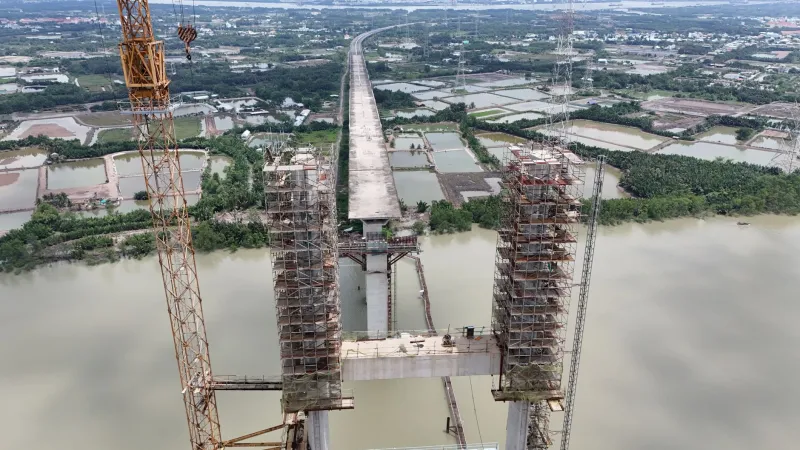
In Ben Tre province, bamboo scaffolding wraps new concrete towers the way it has for a century. Bamboo laths shade market stalls along the Ham Luong River, and woven bamboo panels still finish the interiors of family homes throughout the Mekong Delta. What was once dismissed in the West as a vernacular curiosity is now showing up in American architecture firms' material libraries — and the reasons why say a great deal about where green building is headed.
Why Bamboo Suddenly Looks Like a Serious Material
The appeal starts with growth rate. Where a Southern pine stand needs 25 to 30 years before harvest, structural bamboo species like Dendrocalamus asper reach harvestable maturity in three to five years. Because bamboo propagates through underground rhizomes, harvesting does not require replanting — the grove regenerates on its own, which means soil stays anchored and carbon stays sequestered.
For a US market wrestling with embodied-carbon targets and Environmental Product Declarations, a structural material that regrows faster than it's consumed is difficult to ignore. Several American firms have already used engineered bamboo in projects from California to the Northeast, and interest has accelerated as mass timber has opened buyers' minds to fast-renewing structural alternatives.
The Engineering Behind Code-Compliant Bamboo
Raw bamboo culms, for all their strength, present three problems for conventional construction: susceptibility to insect attack, vulnerability to moisture cycling, and dimensional inconsistency that complicates structural engineering. Vietnamese workshops in the Mekong Delta have spent decades refining solutions, and these treatments are precisely what make bamboo viable under US building codes.
Borate treatment is the workhorse. Boron-based solutions, applied through pressure or a hot-cold dip process, penetrate the culm and render it toxic to termites, powderpost beetles, and fungi — the same organisms that make untreated bamboo a non-starter in humid American climates like the Gulf South.
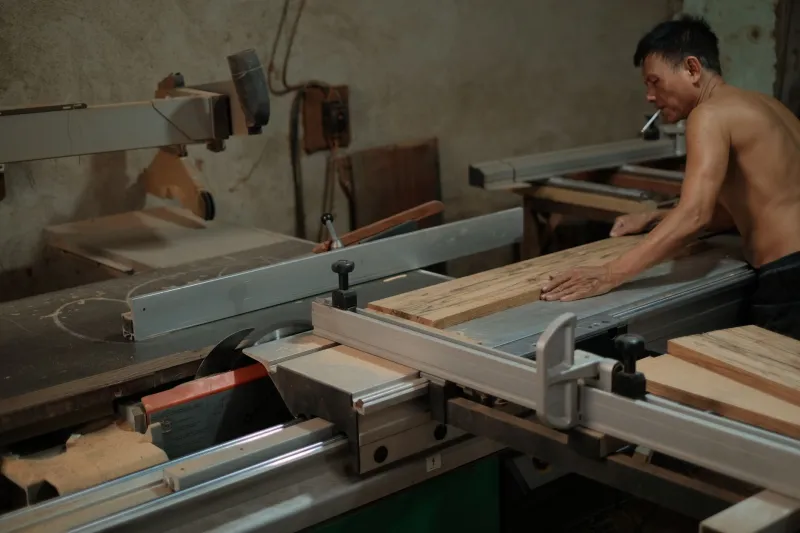
Lamination and compression solve the consistency problem. Strips cut from the culm are boiled, dried to a controlled moisture content, and bonded under heat and pressure into dimensional lumber equivalents or dense strand boards. The result, often marketed as laminated bamboo or engineered bamboo lumber, behaves predictably enough for engineering calculations and can carry a species-specific design value in some jurisdictions.
Thermal modification, an increasingly common finishing step, bakes sugars out of the material at elevated temperatures, further improving dimensional stability and durability without chemical additives.
The practical takeaway for American builders: the bamboo that meets International Building Code expectations is not the pole from a garden center. It is a processed, certified, engineered product — and the treatment chain matters as much as the raw material.
The Sourcing Lesson the Delta Teaches
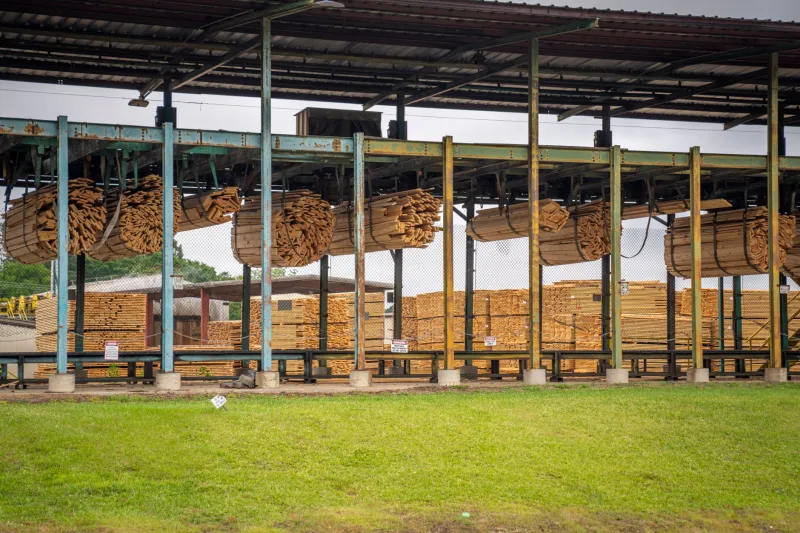
Here is where Ben Tre's experience offers something more interesting than a product spec. In the Mekong Delta, bamboo supply chains are short by necessity. Groves sit within hours of treatment facilities, and craft workshops buy from growers they know. The carbon cost of transport is minimal, and quality control happens face to face.
American projects chasing LEED credits or low embodied carbon routinely ship materials across oceans, then pat themselves on the back for the material's renewable credentials. The Delta model suggests a sharper question: can you get the material within a day's drive? For most of the US, domestically grown timber or regional agricultural fiber will beat imported bamboo on transport emissions — even if the bamboo itself is the greener material on paper.
Some US growers are acting on this. Bamboo plantations in the Southeast, from Alabama to Florida, are supplying domestic processors, and the emerging domestic supply chain borrows openly from Vietnamese treatment and lamination methods.
So Should You Import Vietnamese Expertise?
For most American projects, importing physical bamboo from Vietnam rarely makes environmental or economic sense once freight, tariffs, and lead times are tallied. Importing the expertise is another matter.
Vietnamese engineers and cooperatives have accumulated practical knowledge in bamboo jointing, moisture management in tropical humidity, and low-cost treatment processes that translate well to humid American regions. Partnerships between US firms and Vietnamese fabricators have produced demonstration structures, training workshops, and hybrid designs that pair engineered bamboo with regional timber. For architects working on climate-resilient or humanitarian projects — particularly in the hurricane-prone Southeast — that knowledge transfer is arguably more valuable than the material itself.
A Material with a Pedigree
The bamboo renaissance in American design owes a quiet debt to places like Ben Tre, where builders never stopped working with the material long enough for it to go out of fashion. The lesson traveling across the Pacific is not simply "use bamboo." It is that the most sustainable material is often the one a region's builders already know how to grow, treat, and build with — and that engineering, not nostalgia, is what turns tradition into code-compliant modern construction.