Walk the House Like a Delta Builder: A Room-by-Room Humidity Audit for American Homeowners
Photo: Jack Corn, Public domain, via Wikimedia Commons
In Ben Tre province, humidity isn't a season — it's a permanent resident. With relative humidity routinely hovering between 75 and 90 percent in the Mekong Delta, a house that traps moisture will fail within years, not decades. That pressure has taught Vietnamese builders a skill most American homebuyers have never needed to develop: the ability to walk through a structure and read its moisture story before any inspection report confirms it.
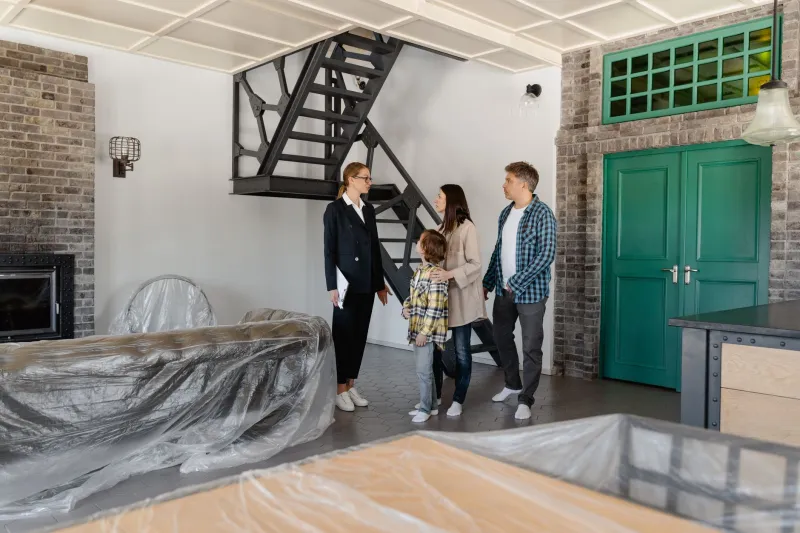
The good news is that this skill costs nothing to learn. Whether you're touring a home for sale in Florida, renovating a basement in the Carolinas, or sizing up a fixer-upper in the Pacific Northwest, a deliberate room-by-room humidity audit can flag problems that a standard inspection might miss — and save you thousands in mold remediation and energy waste down the line.
Why Humidity Literacy Is the Cheapest Green Renovation
Mold is a symptom; trapped moisture is the disease. And the disease is expensive. Remediation projects in the US routinely run from a few thousand dollars for a closet to $30,000 or more for whole-house contamination. Worse, the usual fix — seal everything and run a dehumidifier — trades a moisture problem for an energy bill problem.
Builders in the Mekong Delta invert that logic. Rather than fighting humidity with machines, they design houses that let moisture move through and escape: elevated floors, cross-ventilation corridors, breathable wall assemblies, and generous roof overhangs. The principle translates directly to American homes: a house that manages humidity passively is a house that costs less to run and less to repair. Auditing for moisture vulnerability is, in effect, the first and cheapest step of any green renovation.
Start Outside: The Building Envelope Sets the Tone
Before you step through the door, spend ten minutes at the perimeter.
- Grade and drainage. Does the ground slope toward the foundation or away from it? Water pooling against a slab or crawlspace wall is the single most common source of chronic indoor humidity in the American South and Midwest.
- Overhangs and shading. Wide eaves keep rain off walls and slow solar heating of siding — both of which reduce the moisture load a house has to shed.
- Cladding breathability. Vinyl and brick veneer behave differently than stucco or sealed masonry. Look for staining, efflorescence (a white mineral bloom on masonry), or paint that's peeling in ribbons — all signs that moisture is moving through the wall in the wrong direction.
The Entry Level: Crawlspace, Slab, and Ground-Floor Rooms
Crawlspace or basement. Bring a flashlight and a cheap hygrometer (a $15 humidity gauge). Readings above 60 percent relative humidity signal a space that will feed moisture into your living areas through the floor. Look for standing water, condensation on ductwork, and insulation hanging sagging from the joists.
Living room and bedrooms on the main floor. Walk to the exterior-facing corners and place the back of your hand against the wall. Damp-feeling drywall, especially in corners far from windows, suggests thermal bridging and condensation risk. Check baseboards for swelling or darkened seams — wicking at the floor line is a classic tell.
Windows and doors. Condensation between double-pane glass means a failed seal. Condensation on the interior surface in winter means high indoor humidity meeting a cold surface — a warning sign, not a catastrophe, but it tells you where mold will colonize first.
Kitchens and Bathrooms: The Pressure Zones
These rooms generate most of a home's moisture, so the question isn't whether they're humid — it's whether the humidity escapes.
- Turn on the bathroom exhaust fan and hold a strip of toilet paper against it. If it doesn't cling, the fan is decorative. Then step outside and confirm the duct actually terminates outdoors — many US homes vent bathrooms into the attic, converting a bathroom problem into a roof-deck problem.
- In the kitchen, check whether the range hood vents outside or simply recirculates. A recirculating hood in a tight, modern home is a slow-motion humidity pump.
- Look for the airflow path: is there a gap under the bathroom door, or a transfer vent, that lets replacement air in when the fan runs? A fan can't exhaust a room that's sealed like a jar. Ben Tre builders design houses around cross-ventilation — air in low, air out high — and US bathrooms need the same logic at miniature scale.
Attics and Upper Floors: Where Heat and Moisture Collide
Attics are where American building practice most often fails the humidity test. Warm, moisture-laden air rises from the living space and condenses on the cold underside of the roof sheathing.
- Check for dark staining or frost-damage rings on nail heads poking through the sheathing — a hallmark of condensation.
- Verify that bath and laundry vents terminate at the roof or gable, not the attic cavity.
- In humid climates like the Gulf Coast, ask whether the attic ventilation strategy matches the climate. What works in Arizona can backfire in Louisiana, where ventilated attics can pull in more humid air than they expel.
Three DIY Tests Worth Five Minutes Each
- The foil test. Tape a square of aluminum foil tightly to an interior wall and leave it for 48 hours. Water on the outside of the foil means condensation from the room; water on the wall side means moisture migrating through the assembly — a more serious finding.
- The sniff test. Musty odor with no visible staining usually means hidden growth inside a wall or under flooring. Trust your nose; it's a better mold detector than your eyes.
- The hygrometer map. Move a single humidity gauge through every room over an afternoon. Differences of more than 10 percentage points between rooms reveal airflow dead zones worth investigating.
Read the House Before You Buy It
A standard home inspection answers whether a house meets code. A humidity audit answers a different question: how will this house behave as a living system in a wet climate? That's the question Ben Tre builders have been answering for generations out of necessity — and as American summers grow wetter and storm seasons intensify, it's becoming the right question for US buyers too.
Fifteen dollars in tools and an hour of walking can tell you more about a house's future than any listing photo. Do the audit before you sign, and you'll either negotiate the repairs into the price or walk away from a problem you'd otherwise be renovating around for a decade.